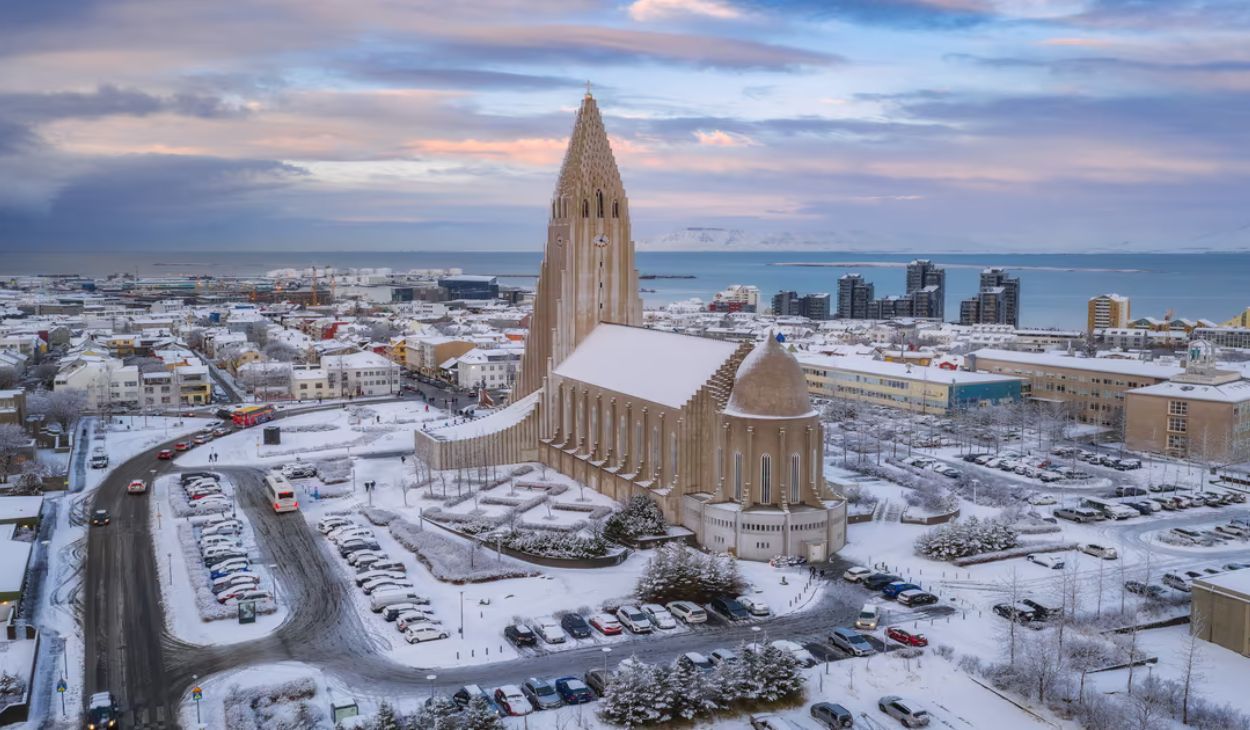
Reykjavik is the vibrant capital of Iceland and the world’s northernmost capital city. Located near the Arctic Circle, it combines breathtaking natural beauty with modern urban life. Visitors admire its geothermal energy, colorful streets, rich Viking heritage, and welcoming atmosphere, making it one of Europe’s most unique travel destinations.
History of Reykjavik
Reykjavik’s history dates back to 874 AD when Norse settlers established Iceland’s first permanent settlement. Over centuries, the small farming community gradually transformed into the nation’s cultural, political, and economic center while preserving its fascinating Viking roots and historical identity.
Origins of Reykjavik
According to historical tradition, Ingólfur Arnarson founded Reykjavik after noticing rising steam from nearby geothermal springs and named the area “Smoky Bay.” Early Norwegian and Celtic settlers built farms that eventually grew into Iceland’s oldest continuously inhabited settlement.
Growth into Iceland’s Capital
Reykjavik expanded through trade, industry, and government reforms during the eighteenth and nineteenth centuries. The establishment of commercial activities, stronger political institutions, and Iceland’s independence in 1944 firmly secured the city’s role as the country’s official capital.
Geothermal Activity in Reykjavik
For decades, geothermal activity has influenced Reykjavik’s growth by supplying renewable energy and natural heat. . Today, geothermal resources warm homes, public buildings, and swimming pools while reducing environmental impact and supporting Iceland’s commitment to sustainable living.
Natural Hot Springs
Natural geothermal springs have always been part of everyday life in Reykjavik. Early residents used them for bathing and washing clothes, while modern visitors continue enjoying naturally heated pools, relaxing spas, and outdoor lagoons throughout the region.
Renewable Energy and Sustainability
Reykjavik uses geothermal and hydroelectric power to produce clean, renewable energy for homes and businesses. This environmentally friendly approach reduces carbon emissions, supports sustainable urban development, and demonstrates Iceland’s leadership in renewable energy innovation.
Geography and Landscape
Reykjavik is surrounded by dramatic natural scenery featuring mountains, coastlines, volcanoes, and glaciers. The city’s location along Faxaflói Bay provides spectacular views while creating easy access to Iceland’s famous natural attractions and outdoor adventures.
Mountains, Bays, and Glaciers
Visitors may take in expansive views of the far-off Snaefellsjökull glacier, the stunning Faxaflói Bay, and Mount Esja.These remarkable natural landmarks provide excellent opportunities for sightseeing, photography, hiking, and discovering Iceland’s extraordinary volcanic landscape.
Climate and Natural Phenomena
Reykjavik experiences a mild coastal climate influenced by the Gulf Stream despite its northern location. Travelers may create lifelong memories by seeing the breathtaking Northern Lights during the colder winter months and the enchanted Midnight Sun during the summer.
People and Culture
The people of Reykjavik proudly preserve Icelandic traditions while embracing modern lifestyles and global influences. Strong cultural values, artistic expression, literary heritage, and friendly hospitality make the city an attractive destination for visitors from around the world.
Population and Heritage
Most Reykjavik residents trace their ancestry to Norwegian and Celtic settlers who established Iceland centuries ago. Today, the growing population reflects both historical traditions and modern diversity while maintaining a deep connection to Icelandic heritage.
Languages and Traditions
Icelandic remains the official language, although English is widely spoken throughout Reykjavik. Traditional celebrations, music, storytelling, literature, and local festivals continue to preserve Iceland’s cultural identity while welcoming international travelers with warmth and hospitality.
Economy of Reykjavik
Reykjavik has developed a diverse economy supported by tourism, fisheries, renewable energy, manufacturing, financial services, and technology. Continued investment, international trade, and sustainable development have strengthened the city’s position as Iceland’s leading economic center.
Tourism Industry
Tourism plays a major role in Reykjavik’s economy by attracting visitors interested in natural wonders, geothermal attractions, cultural landmarks, museums, and outdoor adventures. Hotels, restaurants, and local businesses benefit significantly from year-round international tourism.
Trade and Economic Development
Trade, exports, renewable energy, and international cooperation continue driving Reykjavik’s economic growth. Strong infrastructure, financial reforms, and expanding industries have helped the city recover from global economic challenges while supporting long-term prosperity and innovation.
Top Attractions in Reykjavik
Reykjavik is home to some of Iceland’s most iconic attractions, blending modern architecture with centuries of history. From towering churches and fascinating museums to scenic lakes and lively shopping streets, every landmark offers visitors a memorable glimpse into the city’s culture, heritage, and breathtaking surroundings.
Hallgrímskirkja: Hallgrímskirkja is Reykjavik’s most recognizable landmark, famous for its striking architecture inspired by Iceland’s volcanic landscapes. Visitors can admire the beautiful interior or ride the tower elevator to enjoy spectacular panoramic views across the colorful city and surrounding mountains.
Perlan: Perlan is a unique attraction that combines science, history, and entertainment under its impressive glass dome. Visitors explore interactive exhibitions, experience an indoor ice cave, learn about Iceland’s natural wonders, and admire breathtaking views from the observation deck.
Lake Tjörnin: Lake Tjörnin is a peaceful destination located in the heart of Reykjavik, surrounded by parks, historic buildings, and walking paths. It attracts birdwatchers, photographers, and families seeking a relaxing place to enjoy the city’s natural beauty throughout the year.
Laugavegur: Laugavegur is Reykjavik’s most popular shopping street, filled with boutiques, cafés, restaurants, galleries, and local businesses. Whether shopping for Icelandic wool products or enjoying traditional cuisine, visitors experience the city’s vibrant atmosphere and friendly hospitality.
Hofdi House: Hofdi House is one of Reykjavik’s most historic buildings, best known for hosting the 1986 summit between Ronald Reagan and Mikhail Gorbachev. Today, it remains an important cultural landmark surrounded by scenic walking paths along the waterfront.
Best Museums in Reykjavik
Reykjavik offers outstanding museums that showcase Iceland’s fascinating history, Viking heritage, artistic achievements, and geological wonders. These educational attractions provide engaging experiences for visitors of all ages while preserving the nation’s remarkable cultural identity.
National Museum of Iceland
The National Museum of Iceland presents thousands of historical artifacts that tell the story of Iceland from the Viking Age to modern times. Visitors discover traditional clothing, religious objects, ancient tools, and exhibits that celebrate Iceland’s rich cultural heritage.
Settlement Exhibition
The Settlement Exhibition preserves the remains of one of Iceland’s earliest Viking settlements discovered during archaeological excavations. Interactive displays, original ruins, and multimedia presentations help visitors understand how Reykjavik developed from a simple farming community into a thriving capital.
Árbær Open Air Museum
Árbær Open Air Museum recreates traditional Icelandic life through carefully restored historic buildings and live cultural demonstrations. Guests can explore old homes, workshops, churches, and farms while learning about everyday life in earlier centuries.
Reykjavík Art Museum
The Reykjavík Art Museum displays an impressive collection of contemporary and historical Icelandic artwork across multiple locations. Visitors enjoy paintings, sculptures, photography, and modern exhibitions that highlight the country’s creative talent and evolving artistic culture.
Why Visit Reykjavik?
Reykjavik offers an unforgettable combination of stunning landscapes, geothermal attractions, Viking history, world-class museums, and vibrant local culture. Whether visiting for adventure, relaxation, or cultural exploration, travelers find endless opportunities to experience Iceland’s unique charm throughout every season.
Best Time to Visit Reykjavik
The best time to visit Reykjavik depends on your travel interests, with summer offering long daylight hours and winter providing opportunities to witness the magical Northern Lights. Spring and autumn also provide fewer crowds, pleasant weather, and beautiful natural scenery.
Travel Tips for First-Time Visitors
Planning helps travelers enjoy Reykjavik more comfortably while making the most of their Icelandic adventure. Simple preparation improves convenience, saves money, and allows visitors to experience the city’s attractions with greater confidence.
- Dress in layers because Iceland’s weather can change quickly throughout the day.
- Book popular attractions and accommodations well in advance during peak travel seasons.
- Use reusable water bottles since Iceland’s tap water is exceptionally clean and safe.
- Purchase a city travel pass to save money on transportation and museum admissions.
- Respect nature by following marked trails and protecting Iceland’s fragile environment.
Conclusion
Reykjavik is more than just Iceland’s capital; it is a destination where history, nature, culture, and innovation come together in perfect harmony. From its Viking origins and geothermal energy to its breathtaking landscapes, world-class museums, and vibrant city life, Reykjavik offers unforgettable experiences for every traveler. Whether you are exploring famous landmarks, enjoying local traditions, or witnessing the beauty of the Northern Lights, this remarkable city leaves a lasting impression. A visit to Reykjavik is not just a journey to Iceland’s capital but an opportunity to discover one of the world’s most unique and inspiring destinations.
FAQs about Reykjavik iceland
When was Reykjavik founded?
Reykjavik was founded in 874 AD by Ingólfur Arnarson, Iceland’s first permanent Norse settler.
Why is Reykjavik famous?
Reykjavik is famous for its geothermal energy, Viking history, colorful architecture, Northern Lights, and vibrant cultural scene.
What are the top attractions in Reykjavik?
Top attractions include Hallgrímskirkja, Perlan, Lake Tjörnin, Laugavegur, Hofdi House, and the National Museum of Iceland.
Is Reykjavik a good destination for tourists?
Yes, Reykjavik is an excellent destination for travelers seeking nature, history, culture, and outdoor adventures.
What is the best time to visit Reykjavik?
Summer is ideal for sightseeing and outdoor activities, while winter is best for viewing the Northern Lights.