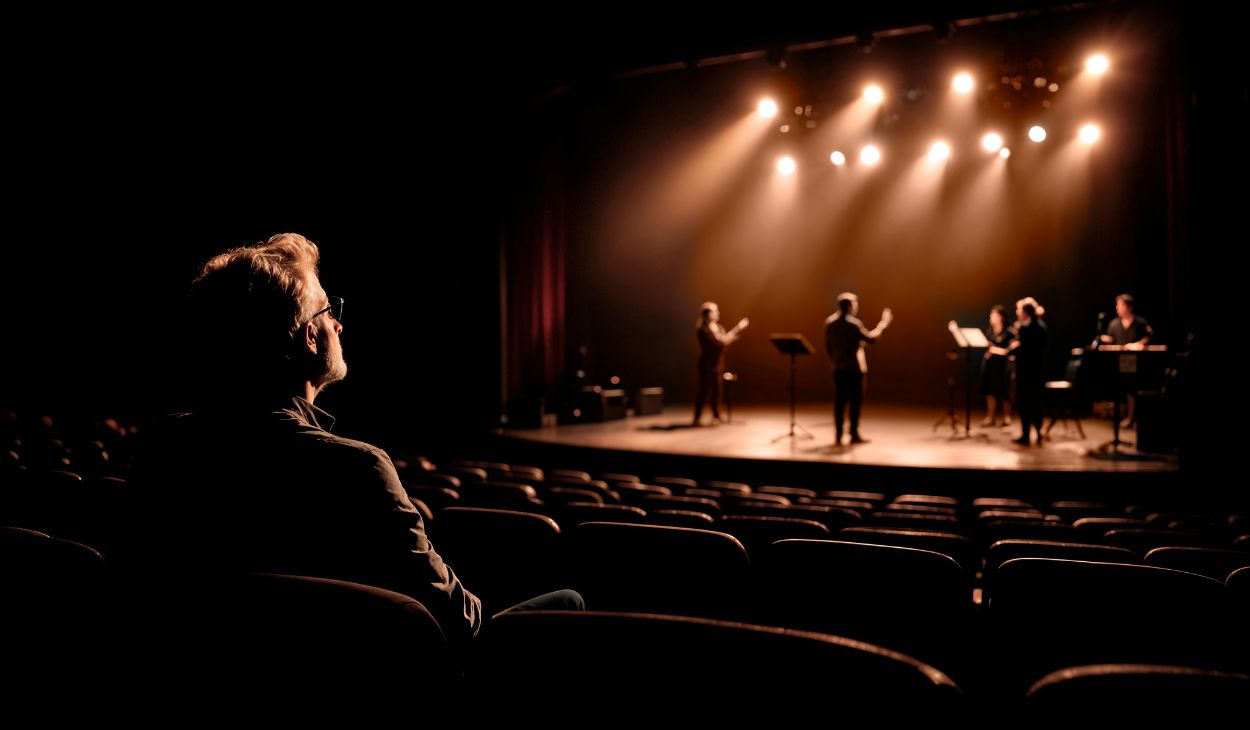
Opera is much more than beautiful singing because every performance combines music, acting, visual storytelling, and theatrical design to create a complete artistic experience. When audiences watch an opera, they see carefully planned lighting, costumes, scenery, and stage movement working together with the musical score. This creative process transforms a written story into a memorable live performance that captures emotions and keeps viewers engaged from beginning to end.
What Is Staging in Opera?
Opera staging is the process of bringing an opera to life by combining the libretto, musical score, stage direction, blocking, performers, director, conductor, props, costumes, lighting, and scenery into one unified production. Every movement and visual element supports the story while strengthening the emotional impact of the music, allowing audiences to enjoy both the dramatic and musical aspects as one seamless theatrical experience.
The Foundation of Opera Staging
Every successful opera begins with careful planning before rehearsals even start. The director and conductor study the libretto, musical score, dramatic arc, character motivation, and scene analysis to understand how the story should unfold. This preparation guides production development, casting, set design, interpretation, and the overall artistic vision, ensuring that every creative decision supports the opera’s emotional message.
The Director’s Role in Opera Staging
The opera director is responsible for transforming written ideas into a believable stage performance through thoughtful planning and creative leadership. By guiding character development, organizing blocking performers, shaping scene interpretation, and encouraging collaboration among singers and designers, the director ensures that every scene communicates clear emotions while remaining faithful to the production’s overall artistic vision.
Traditional Opera Staging vs Modern Interpretations
Different opera companies present the same story in unique ways depending on their creative approach. Traditional staging usually preserves the historical setting with authentic costumes, realistic scenery, and original stage directions, while modern staging often introduces a contemporary setting, a symbolic setting, an abstract design, or conceptual design. Both approaches create meaningful audience experiences and offer fresh ways to appreciate timeless operatic stories.
Understanding Regieoper (Director’s Opera)
Regieoper, often called Director’s Opera, gives directors greater freedom to reinterpret classic operas using modern ideas and creative concepts. Instead of following every traditional instruction, productions may feature creative interpretation, modern staging, artistic vision, and thoughtful reinterpretation that connects historical stories with present-day audiences while still respecting the opera’s musical foundation.
Creative Freedom vs Fidelity to the Composer
One of opera’s longest debates involves balancing creative freedom with loyalty to the composer’s original work. Some productions emphasize innovation, reinterpretation, and modern storytelling, while others remain faithful to traditional performances. The strongest productions successfully combine originality with respect for the music, ensuring that every visual choice enhances the opera rather than distracting from its emotional power.
Casting and Vocal Performance
Successful opera productions depend on choosing performers with both exceptional voices and convincing acting skills. Directors carefully evaluate each singer’s vocal performance, emotional expression, stage presence, and ability to connect with the audience. When talented performers combine technical excellence with believable storytelling, every scene becomes more engaging, emotional, and memorable for everyone watching.
Designing the Opera Stage
The visual environment of an opera plays a vital role in supporting the story without overshadowing the performers. Creative set design, balanced stage environment, carefully planned scenery, and thoughtful spatial arrangements help audiences understand each scene while enhancing the atmosphere. Whether the design is simple or elaborate, every visual detail contributes to stronger storytelling and a more immersive theatrical experience.
Rehearsals and Stage Blocking
Every outstanding opera performance is built through organized rehearsals and precise stage blocking that prepare performers for every scene. During musical rehearsal, singers refine their timing, coordination, and vocal delivery, while actor positioning, stage movement, and stage direction ensure natural interactions. Continuous practice allows performers to blend acting with music, creating confident and emotionally convincing performances.
The Orchestra and the Conductor
The orchestra forms the emotional heartbeat of every opera, while the conductor ensures that every performer remains perfectly synchronized throughout the production. By controlling tempo, rhythm, phrasing, dynamics, and musical interpretation, the conductor keeps singers and musicians connected through clear cues, accurate coordination, proper sightlines, and effective communication, resulting in a smooth and expressive live performance.
Costumes, Make-Up, and Character Transformation
Thoughtfully designed costumes and professional make-up help performers become believable characters before they sing their first note. Every visual identity reflects a character’s personality, social position, and historical background through carefully selected fabrics, silhouettes, accessories, wigs, prosthetics, and facial make-up. These visual elements strengthen storytelling while supporting the opera’s overall artistic style.
Lighting and Visual Effects
Creative lighting transforms the opera stage by building atmosphere, highlighting emotions, and guiding audience attention throughout every performance. Modern lighting design often combines stage lighting, digital projections, visual effects, moving lights, fog effects, and multimedia to emphasize important transitions and dramatic moments. These techniques create immersive theatrical experiences without distracting from the performers or the music.
Challenges of Modern Opera Staging
Although modern productions encourage creative expression, they also present several artistic and technical challenges. Excessive symbolism, unnecessary visual spectacle, or unrelated political themes can weaken the original story instead of enhancing it. Successful Regieoper productions balance innovation, reinterpretation, respect for the composer’s vision, available budget, technical capabilities, rehearsal time, and thoughtful stage design to deliver meaningful performances.
Why Opera Staging Matters
Excellent opera staging allows audiences to experience music and drama as one unified artistic performance instead of separate elements. Through effective use of lighting, costumes, scenery, performance, and symbolism, every production communicates emotions more clearly while strengthening the connection between characters and viewers. Strong staging transforms an opera into an unforgettable theatrical journey that leaves a lasting emotional impression.
Traditional vs Modern Opera Staging Comparison
Both traditional staging and modern staging offer valuable artistic experiences while presenting the same opera in different ways. Traditional productions emphasize historically accurate costumes, realistic scenery, and original stage directions, whereas Regieoper embraces contemporary settings, abstract design, conceptual design, and bold interpretation. Each style provides audiences with a unique perspective while preserving the timeless beauty of opera.
Tips for Appreciating Opera Staging
Understanding opera becomes easier when audiences pay attention to details beyond the singing alone. Observe how stage movement, lighting, costumes, character development, orchestra, and visual storytelling work together to support the drama. Comparing traditional productions with modern interpretations also helps viewers recognize different artistic choices and appreciate the creativity behind every performance.
Future of Opera Staging
The future of opera staging continues to evolve through modern technology, creative experimentation, and innovative production techniques that expand artistic possibilities. Advances such as digital projections, immersive sound, automated stage machinery, virtual reality, digital scenery, live-streaming, and sustainable stage construction allow opera companies to reach wider audiences while preserving the timeless relationship between music, drama, and visual storytelling.
Conclusion
Understanding what is staging in opera reveals the remarkable teamwork required to create every successful production. From the libretto and musical score to the efforts of directors, conductors, performers, designers, technicians, and the orchestra, every contribution shapes the audience’s experience. Whether following tradition or embracing innovation, thoughtful staging ensures that opera remains a powerful and emotionally engaging form of theatrical art.
FAQs about what is staging in opera
What is staging in opera?
Opera staging combines visual elements, movement, scenery, lighting, costumes, and stage direction to create a complete theatrical performance.
What is Regieoper?
Regieoper is a style of opera production where the director uses creative interpretation and modern staging while respecting the musical foundation.
Who is responsible for staging an opera?
The opera director leads the staging process by collaborating with the conductor, designers, performers, and technical crew.
Why are rehearsals important in opera?
Rehearsals help performers coordinate vocal performance, acting, movement, and stage blocking for a polished production.
Can the same opera have different stagings?
Yes, different directors can present the same opera with unique staging, settings, interpretations, and artistic visions while telling the same story.