A stage puzzle is more than a simple challenge because it combines game design, problem-solving, and strategic thinking into one engaging experience. Every stage introduces fresh obstacles that encourage players to use logic, critical thinking, and creativity while progressing through exciting environments. This balance between challenge and reward keeps players motivated to continue exploring and mastering each level.
What Makes a Great Stage Puzzle?
A great stage puzzle offers a perfect balance between difficulty and enjoyment without becoming frustrating. Players feel rewarded when they discover solutions through observation, experimentation, and patience rather than luck alone. Well-designed puzzles also encourage exploration, making every completed objective feel meaningful while maintaining a steady sense of progression throughout the game.
Core Elements of Puzzle-Based Game Design
Successful puzzle-based game design relies on carefully planned mechanics that support player learning and gradual progression. Designers create systems where every puzzle teaches a new concept before introducing additional complexity. This approach allows players to build confidence naturally while improving their decision-making, logical reasoning, and overall understanding of the game’s mechanics.
Interconnected Puzzles and Multi-Layered Challenges
Many modern games feature interconnected puzzles where solving one challenge unlocks another, creating a satisfying chain of discoveries. These multi-layered challenges encourage players to connect clues, remember previous actions, and think ahead before making decisions. The result is a richer gameplay experience that rewards planning instead of simple trial and error.
Fantasy Adventure Puzzle Stages
Fantasy-themed games often provide some of the most memorable stage puzzles by placing players inside magical worlds filled with ancient mysteries. Exploring forgotten temples, enchanted forests, mysterious castles, and hidden chambers creates an atmosphere where curiosity drives progress. Every puzzle becomes part of a larger adventure that strengthens the game’s story and immersion.
Exploring Ancient Ruins and Hidden Pathways
Ancient ruins are popular puzzle settings because they naturally encourage exploration and discovery. Players search for hidden passages, activate pressure plates, decode mysterious symbols, and reveal secret doors by carefully observing their surroundings. Every successful solution feels rewarding because progress depends on intelligence, patience, and attention to detail rather than fast reactions.
Understanding Falling-Block Puzzle Games
Falling-block puzzle games introduce players to simple mechanics that gradually become more challenging as gameplay progresses. Players learn how different blocks behave, rotate pieces efficiently, clear completed rows, and manage limited space. These straightforward mechanics create an accessible learning experience while offering endless opportunities to improve through practice and strategy.
Tetris vs. Lumines: Gameplay Mechanics Compared
Both Tetris and Lumines challenge players with falling blocks, but they create unique experiences through different mechanics. Tetris focuses on building complete horizontal lines, while Lumines emphasizes matching colors, creating chains, and timing combinations with a moving timeline. These distinct systems demonstrate how similar concepts can produce completely different puzzle experiences.
Learning the Basics of Puzzle Mechanics
Every player begins by understanding the basic mechanics that define successful puzzle solving. Learning how to position pieces correctly, recognize useful patterns, and react to changing situations builds confidence over time. Clear visual feedback, responsive controls, and quick retries help players improve naturally without requiring long tutorials or complicated instructions.
Tactical Adaptation and Smart Puzzle Strategies
As players gain experience, they begin developing smarter strategies for solving increasingly difficult puzzles. Instead of reacting immediately, skilled players think several moves ahead, plan efficient piece placement, and prepare for future obstacles. This tactical approach improves overall performance while making every successful solution feel earned through careful planning and experience.
The Eureka Moment in Puzzle Solving
Every memorable Eureka Moment happens when preparation meets opportunity, and everything suddenly makes sense. Players recognize hidden patterns, connect previous knowledge, and discover the perfect solution to a difficult challenge. This exciting breakthrough creates a strong sense of accomplishment and motivates players to tackle even more complex stage puzzles with greater confidence.
Game Design Tools for Better Puzzle Creation
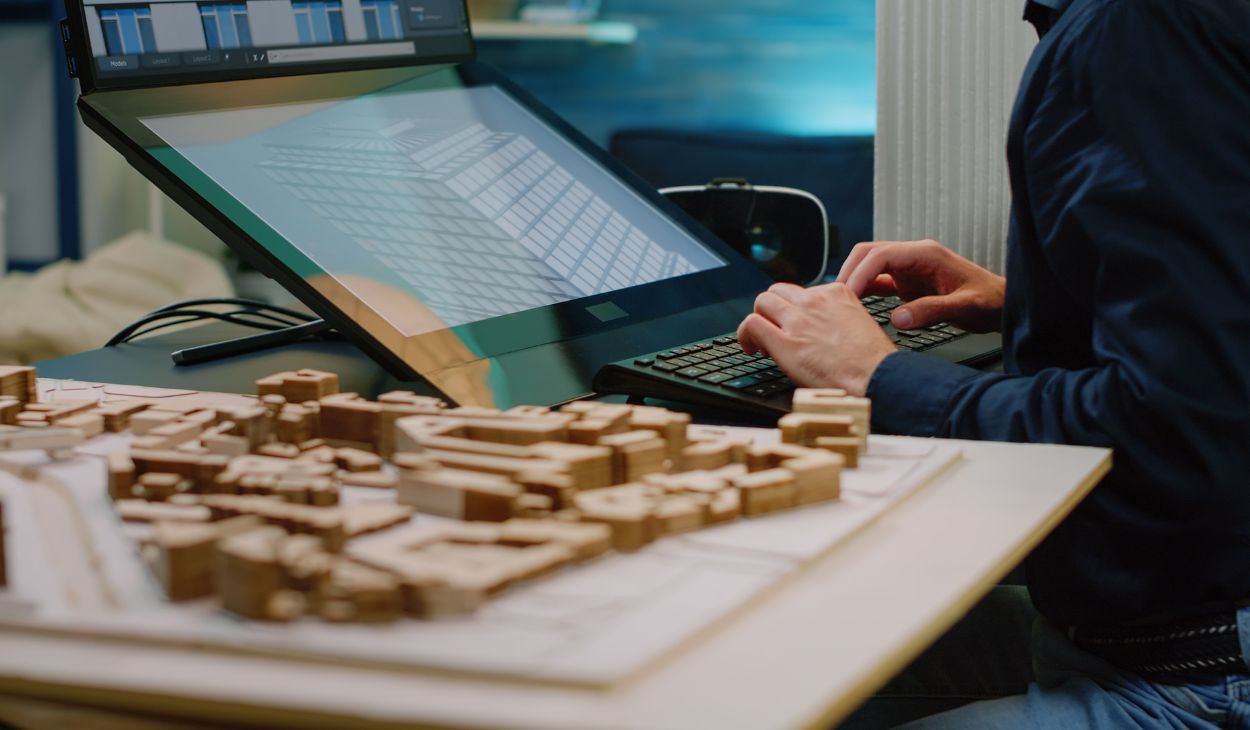
Modern game design tools help developers create balanced and enjoyable puzzle experiences before a game reach player. By visualizing mechanics, testing gameplay systems, and refining level progression, designers can identify weaknesses early in development. This structured process reduces unnecessary redesigns and helps produce smoother, more engaging gameplay from beginning to end.
Visualizing and Prototyping Puzzle Mechanics
Creating prototypes allows developers to test ideas quickly without building an entire game first. Visualizing mechanics helps teams understand how puzzles interact with player actions, progression, and rewards. Regular testing also reveals opportunities to improve balance, remove frustration, and ensure every challenge feels fair while remaining enjoyable for players of different skill levels.
Creating Balanced and Rewarding Gameplay
Balanced gameplay is one of the most important parts of a successful stage puzzle because it keeps players challenged without becoming overwhelming. Well-designed mechanics introduce new ideas gradually while rewarding progress through meaningful achievements, unlocked areas, and satisfying solutions. This steady pacing encourages players to continue learning while enjoying every stage of the adventure.
Improving Player Progression Through Puzzle Design
Strong player progression allows each completed puzzle to prepare players for future challenges. Every new stage introduces fresh mechanics, encouraging continuous learning without repeating the same experience. As difficulty increases naturally, players develop stronger problem-solving, critical thinking, and strategic planning skills while maintaining a rewarding sense of growth.
Benefits of Playing Stage Puzzle Games
Playing stage puzzle games is both entertaining and mentally rewarding. They help players develop practical thinking skills while making every challenge enjoyable and meaningful.
- Improves Logical Thinking: Encourages players to analyze situations and find the most effective solutions.
- Enhances Problem-Solving Skills: Builds the ability to overcome obstacles through careful planning and strategy.
- Boosts Memory: Strengthens memory by requiring players to remember patterns, clues, and puzzle mechanics.
- Develops Critical Thinking: Teaches players to evaluate different options before making decisions.
- Encourages Creativity: Inspires players to explore unique approaches and think outside the box.
- Increases Focus and Concentration: Helps maintain attention while completing complex tasks and solving puzzles.
- Builds Patience: Rewards persistence and careful observation instead of rushing through challenges.
- Improves Decision-Making: Develops confidence in making quick and accurate choices during gameplay.
- Provides Stress Relief: Offers an enjoyable escape that keeps the mind active and engaged.
- Creates a Sense of Achievement: Completing difficult stages gives players confidence and satisfaction, motivating them to continue improving.
Common Challenges Players Face
Many players struggle when puzzles introduce unfamiliar mechanics or require careful observation instead of quick reactions. Rushing through levels, overlooking important clues, or relying on trial and error often leads to frustration. Developing patience, practicing consistently, and analyzing each situation carefully usually result in better performance and more satisfying puzzle-solving experiences.
Tips to Master Every Stage Puzzle
Becoming better at stage puzzles takes patience, observation, and regular practice. By using smart strategies instead of rushing, you can solve puzzles more efficiently and enjoy steady progress.
- Observe: Take time to study your surroundings before making a move, as small details often reveal the correct solution.
- Think Ahead: Plan several steps to avoid mistakes and prepare for upcoming challenges.
- Learn from Mistakes: Every failed attempt teaches something new, helping you improve your strategy for the next try.
- Experiment with Different Solutions: If one method does not work, try another approach because many puzzles allow multiple solutions.
- Manage Resources Wisely: Use available tools, switches, or special abilities only when they provide the greatest advantage.
- Practice Regularly: The more you play, the better your pattern recognition, timing, and decision-making skills become.
- Stay Patient: Difficult puzzles often require careful thinking, so avoid rushing and focus on solving each challenge step by step.
Future of Stage Puzzle Games
The future of stage puzzle games looks promising as developers continue introducing innovative mechanics, smarter level design, and immersive technologies. Artificial intelligence, procedural generation, and interactive storytelling will likely create even more personalized puzzle experiences. These advancements will keep puzzle games fresh while offering players new ways to explore, think, and solve challenges.
Conclusion
A great stage puzzle combines thoughtful game design, rewarding gameplay mechanics, and meaningful player progression to create memorable experiences. From learning basic puzzle mechanics to reaching exciting Eureka Moments, every challenge encourages growth through logic, strategy, and creative thinking. Whether playing classic titles like Tetris or modern puzzle adventures, players continue returning because each completed stage delivers satisfaction, achievement, and the excitement of overcoming a new challenge.
FAQs about stage puzzle
What is a stage puzzle?
A stage puzzle is a game challenge that requires players to solve obstacles using logic, strategy, and problem-solving skills to progress.
Why are stage puzzles popular?
They are popular because they provide rewarding challenges that combine entertainment with mental skill development.
What skills do stage puzzle games improve?
Stage puzzle games improve logical thinking, critical reasoning, memory, creativity, and decision-making abilities.
Is Tetris considered a stage puzzle game?
Tetris is a classic falling-block puzzle game that shares many strategic elements found in stage puzzle gameplay.
How can I become better at solving stage puzzles?
Practice regularly, observe patterns, think ahead, and experiment with different strategies to improve your puzzle-solving skills.