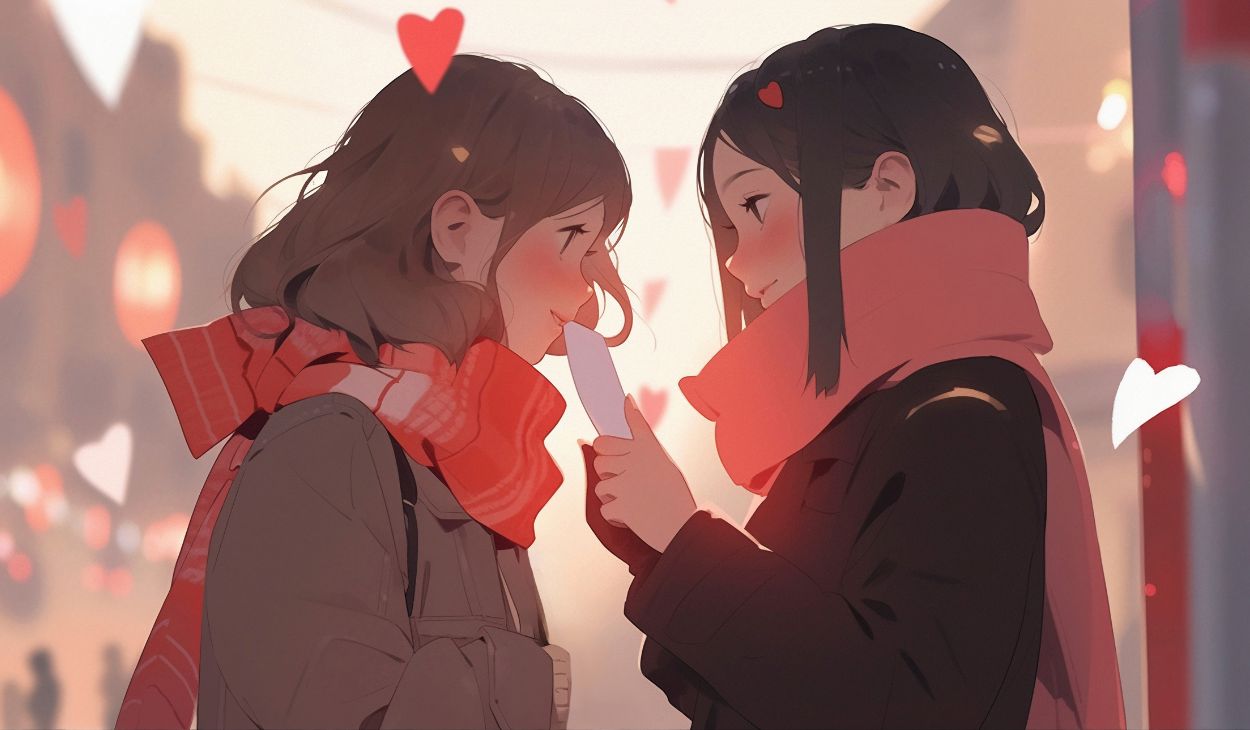
Dojen moe keeps popping up across anime blogs and fan pages, yet nobody seems to agree on what it actually means. Some sites treat it as a real cultural term, while others use it purely to attract clicks. This article breaks down where the word comes from, what it borrows from real anime culture, and why fans still search for it every day.
What Is Dojen Moe?
Dojen moe does not have one fixed meaning, and that alone should raise a flag for careful readers. Different websites describe it in different ways, which makes it feel more like a marketing keyword than a real cultural idea. It often gets tied to a few common themes online, including:
- Anime culture and fan traditions
- Fan-made content shared across communities
- Emotional attachment toward favorite characters
Since these explanations rarely match each other, the word ends up feeling more confusing than helpful for anyone trying to learn about it.
Is Dojen Moe a Real Term or a Misleading Keyword?
Native Japanese speakers do not use dojen moe in everyday conversation, and it never appears in anime glossaries or trusted cultural references. That absence points toward a simple explanation: many low-quality websites likely built the phrase for search visibility rather than accuracy. Because search engines index repeated content quickly, the word starts to look legitimate even though no verified source actually backs it up.
Origin of Dojen Moe: A Mix of Real Concepts
The word most likely comes from combining two genuine ideas found in otaku culture rather than from any single official source. Writers often blend real terms to create fresh keywords that can rank for multiple searches at once. In this case, the building blocks appear to be:
- Doujin, referring to self-published fan work
- Moe, referring to emotional attachment toward characters
Understanding these two original words makes it much easier to see how dojen moe formed and why it feels borrowed rather than authentic.
What Does Doujin Mean in Anime Culture?
Doujin describes self-published creative work made by independent artists rather than major publishing companies. It covers manga, novels, and art books, and creators often showcase these projects at large fan gatherings such as Comiket in Japan. Doujin content ranges from completely original stories to fan-made versions of existing series, giving artists real creative freedom outside traditional studio control.
What Is Moe in Anime and Character Design?
Moe refers to the strong emotional pull fans feel toward certain anime characters rather than a specific genre or storyline. It usually connects to cute or innocent traits, often described using the word kawaii, and it shapes how creators design characters from the very start. Because moe focuses on feeling rather than plot, it plays a steady role across countless anime discussions and character designs.
Why Is Dojen Moe Trending Online?
The rise of dojen moe fits a familiar online pattern where websites chase low-competition keywords rather than proven cultural terms. Once a few sites publish content using the phrase, search engines begin indexing it, curious users start searching it, and more websites follow to capture that same traffic. This cycle repeats itself, and the word keeps climbing in visibility even without any real meaning behind it.
Difference Between Dojen Moe, Doujin, and Moe
Doujin and moe both come from real Japanese and anime culture, carry consistent definitions, and appear across trusted fan communities worldwide. Dojen moe, by contrast, has no clear origin, no stable meaning, and no genuine presence in native language usage or anime glossaries. Comparing the three side by side makes the gap obvious, since two terms feel authentic while the third feels artificially built for search traffic alone.
Common Misunderstandings About Dojen Moe
Many readers assume dojen moe is an official anime term or even its own genre, mostly because repeated online content makes it feel familiar. That assumption comes from misleading articles rather than actual Japanese language usage or native cultural sources. Repetition tends to build false trust, so readers often confuse how often they see a word with how accurate that word actually is.
Is Dojen Moe Linked to Anime or Adult Content?
Some websites connect dojen moe to adult themes, mostly because doujin culture occasionally includes mature fan-created stories and artwork. This connection comes from the original word doujin rather than from dojen moe itself, which carries no defined category of its own. Readers should treat this link carefully, since mixing a vague keyword with a real cultural term can easily spread inaccurate assumptions.
How to Check If a Term Is Real
Before trusting any unfamiliar anime term, it helps to run it through a few simple checks that separate real culture from search-driven keywords. A short verification process can save readers from spreading misinformation further online. Consider the following steps:
- Search for the term in native language sources
- Compare definitions across several independent websites
- Look for the word in trusted dictionaries or glossaries
- Check how real fan communities actually use it
Following these steps consistently makes it far easier to spot constructed keywords before accepting them as fact.
Are Websites Using Dojen Moe Reputable?
Not every website that uses a trending phrase deserves equal trust, especially when the term itself lacks a verified background. Reliable sources tend to offer consistent definitions, honest cultural context, and factual accuracy rather than vague explanations aimed at generating clicks. Readers should favor websites that cite real references over pages that simply repeat the same unclear keyword.
A Culture Built on Personal Expression
Fan culture around anime thrives because personal expression sits at its very center, letting everyday fans become creators in their own right. People turn favorite characters into new art, short stories, and fresh plot ideas, each shaped by individual taste and style. Over time, this freedom helps beginners build real skill, since regular practice slowly turns rough sketches and simple writing into confident, polished work.
Strong Bonds with Fictional Characters
Fans often develop a genuine emotional attachment to fictional characters that goes far beyond simply watching a show or reading a story. This bond usually grows from a character’s voice, backstory, and the shared feelings a fan connects with their own life experiences. That connection keeps fans coming back for new takes, fresh ideas, and deeper stories long after the original content has ended.
Fan Passion vs Casual Interest
Not every fan engages with anime in the same way, and understanding that difference helps explain how fan communities actually function. Some fans dive deep into art, discussions, and creative output built around specific characters, while others simply enjoy content without ever creating anything themselves. Both groups matter, since casual viewers support creators through attention, while deeply invested fans expand the entire creative space.
Real Examples of dojen moe in Fan Work
Fan creativity shows up in countless small, personal ways that rarely make it into official anime content. A fan might redraw a character in a new outfit, write a short story with a different ending, or design a scene that explores emotions the original series never covered. These small touches, from facial details to shared reactions in comments, help build a sense of shared experience across the wider community.
The Power of Online Sharing
Social platforms have made it incredibly easy for fans to share creative work and receive fast feedback from people around the world. A single post can reach thousands of viewers within hours, and quick comments or likes give creators the confidence to keep producing new content. This global connection allows fans from completely different countries to trade ideas and build a genuinely worldwide community.
How does Dojen Moe appear in Daily Fan Activity?
Daily habits play a bigger role in fan culture than most people realize, since small actions add up over time. Fans check new posts, react to fresh art, and leave short comments almost every day, keeping online communities active and engaged. Even a simple like or brief share becomes part of a larger support cycle that pushes creators to keep producing new digital content.
Popular Content Styles in Fan Work
Fans express their ideas through several different content formats, each offering a unique way to connect with favorite characters and stories. Choosing the right format often depends on personal skill, available time, and how a fan wants to interpret existing material. Common styles include:
- Art that reimagines a character’s look or mood
- Short comics that expand small moments from a story
- Written fan fiction that explores entirely new paths
- Simple fan-made games built around familiar settings
Each format adds something different to the wider creative space, giving fans plenty of ways to get involved.
Dojen Moe on Digital Art Platforms
Digital art platforms give fans a dedicated space to publish work and receive direct feedback from other creators and viewers. Features like tags, search tools, and trending pages help new content reach the right audience quickly, which encourages steady creative growth. This direct connection between artists and their audience makes digital platforms one of the most active hubs within fan culture.
A Balance Between Official and Fan Ideas
Official creators lay the foundation by introducing a story or character, while fans build on that foundation with their own layers of imagination. This relationship benefits both sides, since fans gain more content to enjoy while original creators receive strong ongoing support from an engaged audience. Respecting sources, including proper credit, keeps this balance healthy and sustainable for everyone involved.
How Community Shapes the Experience
Strong fan communities rely on shared support, honest feedback, and clear expectations to keep collaboration running smoothly. New creators feel safe experimenting and growing at their own pace when a community values kindness over criticism. When disagreements or issues arise, communities that enforce fair rules and respectful behavior tend to protect creativity rather than let problems disrupt the group.
Trends That Guide Attention
Fan attention naturally shifts toward whatever content feels newest, whether that means a fresh anime release, a viral post, or an upcoming game launch. Major events like conventions or big franchise releases often spark a noticeable wave of new fan-made content within a short period. Recognizing these patterns helps explain why certain characters or series suddenly dominate fan discussions for a few weeks at a time.
Content Discovery and Search Behavior
Search behavior plays a major role in how fans discover new creative work across different platforms and communities. Well-chosen tags, titles, and keywords help creators reach audiences actively looking for specific characters, styles, or themes. Because search trends shift quickly, creators who stay aware of rising topics often gain noticeably more visibility for their work.
Freedom with Clear Limits
Creative freedom sits at the heart of fan culture, but most healthy communities still operate within a few clear, sensible limits. Platforms typically set guidelines to protect users, while individual creators may set their own rules for how others use their work. Striking the right balance matters, since too many restrictions can stifle creativity, while too few can lead to misuse and conflict.
What Many People Feel Drawn to This Space
Many people join fan communities simply because the space feels open, welcoming, and easy to enter without any special tools or training. A strong sense of belonging develops quickly among people who share the same interests and enjoy discussing the same characters and stories. This freedom to shape stories in personal ways, rather than sticking to one fixed version, makes the entire experience feel genuinely rewarding.
Common Challenges in the Space
Every creative community faces its own set of challenges, and fan culture is no exception to that reality. High content volume makes it difficult for new creators to stand out, while missing credit for original ideas can create unnecessary tension between contributors. Building real skill also takes patience, since consistent growth depends far more on steady practice than on natural talent alone.
Simple Ways to Take Part
Getting started in fan culture is easier than most newcomers expect, since no special background or training is required. Small, consistent actions tend to build both confidence and skill over time. A few practical tips include:
- Share your work early instead of waiting for perfection
- Stay open to feedback and use it to improve
- Support other creators with encouraging comments
- Keep showing up consistently, even with small projects
These simple habits help beginners build momentum and gradually find their place within the wider community.
Beginner Path in dojen moe Culture
Every beginner starts somewhere small, whether that means a rough sketch, a short story, or a single, simple idea worth exploring. Focusing on genuine interest rather than chasing perfection keeps the process enjoyable and sustainable in the long run. Common early mistakes include comparing personal work to more experienced creators or jumping between too many ideas instead of finishing one at a time.
Long-Term Growth in dojen moe Space
Meaningful growth in fan culture rarely happens overnight, since real progress depends on consistency far more than raw speed. Creators who keep showing up regularly tend to build stronger skills, larger audiences, and more genuine trust from loyal followers over time. Ongoing feedback, shared discussions, and steady community support all play an important role in sustaining that long-term success.
What the Future May Look Like
Fan culture looks set to keep growing as better tools continue to lower the barrier for creating and sharing new content. New technology may open fresh ways for fans to interact with stories, while a wider global reach brings in even more diverse voices and creative styles. As these changes unfold, the overall culture will likely keep evolving rather than settling into one fixed form.
Conclusion
Dojen moe does not hold up as a real, verified term within anime culture or the Japanese language, no matter how often it appears online. Doujin and moe, on the other hand, carry stable meanings and consistent usage across genuine anime communities and trusted cultural references. Readers exploring anime and manga should lean on these verified concepts rather than constructed keywords, questioning unclear terms before accepting them as fact.
FAQs about dojen moe
What does Dojen Moe mean?
Dojen moe has no verified meaning and appears to be a constructed keyword rather than an official anime term.
Is Dojen Moe a real Japanese term?
No, native Japanese speakers and authentic cultural sources do not use dojen moe in real conversation.
Is Dojen Moe related to anime?
Dojen moe loosely touches anime-related themes, but it holds no official or defined role within real anime culture.
What is the difference between Dojen Moe and Doujin?
Doujin is a recognized term for self-published fan work, while dojen moe has no clear or accepted meaning.
What does Moe mean in anime?
Moe describes the emotional attachment fans feel toward fictional characters, often linked to cute or innocent traits.
Why is Dojen Moe trending online?
It trends because repeated use across websites causes search engines to index and rank it, creating artificial visibility.