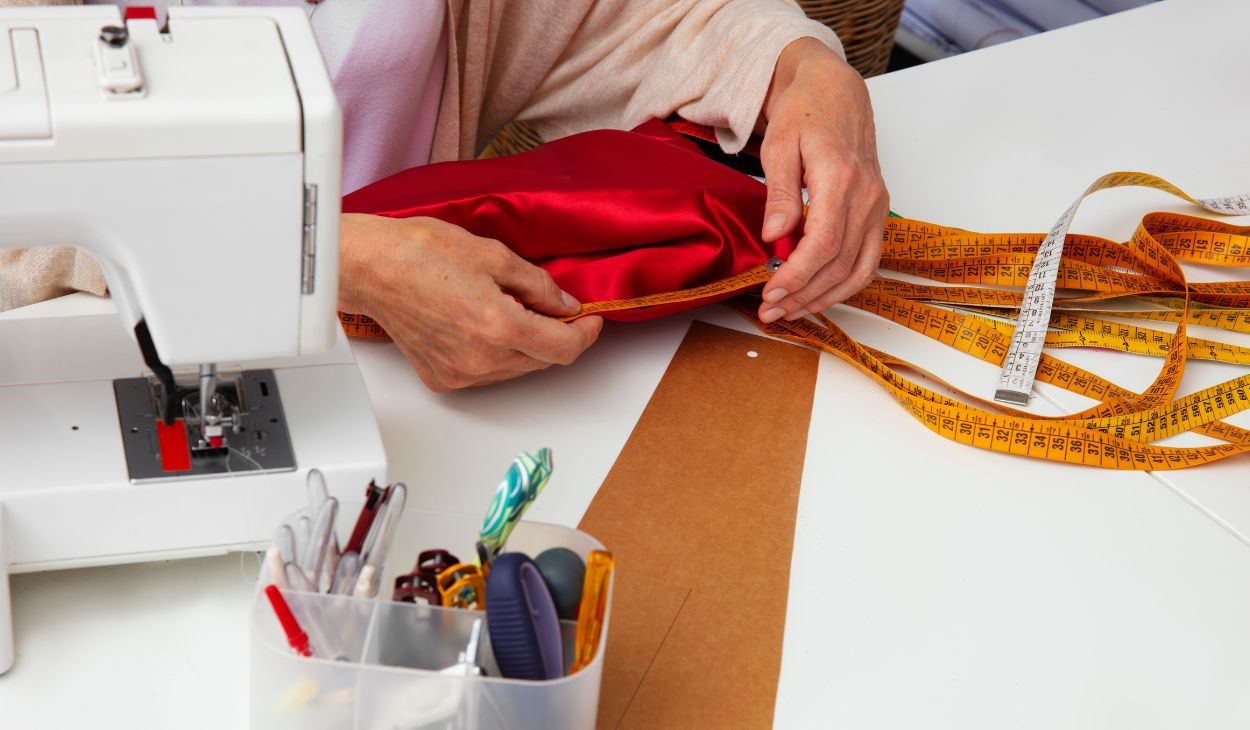
Every sewing project depends on strong, well-made seams that hold fabric pieces together while creating a neat appearance. Understanding Nahttypen, or seam types, helps beginners and experienced sewists choose the right construction method for different fabrics and garments. Whether you are making clothing, home décor, or industrial textiles, selecting the correct seam improves durability, comfort, and overall quality.
What Is Nahttypen?
Nahttypen is a German term that refers to different types of seams used in sewing to join two or more pieces of fabric. Each seam is designed for a specific purpose, depending on the fabric, garment style, and desired strength or appearance. From simple everyday stitching to specialized industrial construction, seam types play an important role in both the function and finish of a sewing project.
Why Nahttypen Matters in Sewing
Choosing the right Nahttypen affects how a garment looks, feels, and performs over time. Proper seam selection prevents fraying, increases durability, improves comfort, and gives the finished product a professional appearance. Whether working with lightweight cotton, stretchy knit fabric, or heavy denim, using the correct seam ensures better results and reduces the chances of stitching failures.
Common Types of Nahttypen
Different sewing projects require different seam styles, and understanding their purpose makes it easier to achieve professional results.
- Plain Seam: The most common seam used for everyday clothing because it is simple, versatile, and suitable for most woven fabrics.
- French Seam: Encloses raw fabric edges inside the seam, creating a clean finish that works especially well for delicate and lightweight fabrics.
- Flat-Felled Seam: Commonly found in jeans and workwear, this seam provides exceptional strength while hiding raw edges for extra durability.
- Bound Seam: Uses binding tape or fabric strips to cover raw edges, offering both protection and an attractive decorative finish.
- Overlocked Seam: Created with a serger machine, this seam trims and finishes fabric edges at the same time to prevent fraying.
- Double-Stitched Seam: Features two rows of stitching for additional reinforcement, making it ideal for garments exposed to heavy wear.
- Lapped Seam: One fabric edge overlaps another before stitching, creating a strong seam often used in leather, sportswear, and technical textiles.
- Decorative Seam: Combines functionality with visual appeal by using decorative stitches, contrasting thread, or creative seam placement.
- Stretch Seam: Designed for knit and elastic fabrics, allowing the seam to move with the material without breaking.
- Industrial Seam: Used in commercial manufacturing where speed, consistency, and long-lasting performance are essential for mass production.
Choosing the Right Nahttypen & Best Sewing Practices
Selecting the appropriate Nahttypen begins by understanding the fabric type, garment purpose, and required durability before carefully aligning the fabric, pinning or clipping the layers, stitching with the correct seam allowance, pressing the seam after sewing, and finishing raw edges when necessary. Following good sewing practices such as using the right needle and thread, testing stitches on scrap fabric, maintaining even stitch length, and checking seam strength before completing the project helps produce cleaner results, extends garment life, reduces repairs, and creates a polished, professional finish.
Common Mistakes to Avoid
Many sewing problems occur because the wrong seam type is selected or proper techniques are overlooked. Common mistakes include using incorrect seam allowances, skipping fabric pressing, choosing unsuitable thread, ignoring fabric stretch, sewing with dull needles, and failing to finish raw edges. Avoiding these errors improves seam strength, enhances appearance, and ensures the finished project lasts much longer.
Future of Nahttypen
The future of Nahttypen is being shaped by advanced sewing technology, smart textiles, and automated manufacturing systems that improve precision and efficiency. Modern machines now produce stronger and more consistent seams while supporting sustainable practices through reduced fabric waste and innovative stitching methods. Seam construction will become even more resilient, adaptable, and eco-friendly as the textile industry develops.
Conclusion
Understanding Nahttypen gives every sewist the knowledge needed to create stronger, cleaner, and more professional sewing projects. Each seam type serves a unique purpose, from basic garment construction to specialized industrial applications. By selecting the right seam, following proper sewing techniques, and avoiding common mistakes, anyone can improve the quality, durability, and appearance of their finished work.
FAQs about Nahttypen
What does Nahttypen mean?
Nahttypen means different types of sewing seams used to join fabric pieces together.
Which Nahttypen is best for beginners?
The plain seam is the best choice for beginners because it is simple and suitable for most projects.
What seam is commonly used for jeans?
The flat-felled seam is commonly used for jeans because of its exceptional strength and neat finish.
Which seam works best for delicate fabrics?
The French seam is ideal for delicate fabrics because it encloses raw edges and creates a clean appearance.
Why is choosing the correct Nahttypen important?
Choosing the correct Nahttypen improves garment durability, comfort, appearance, and overall sewing quality.