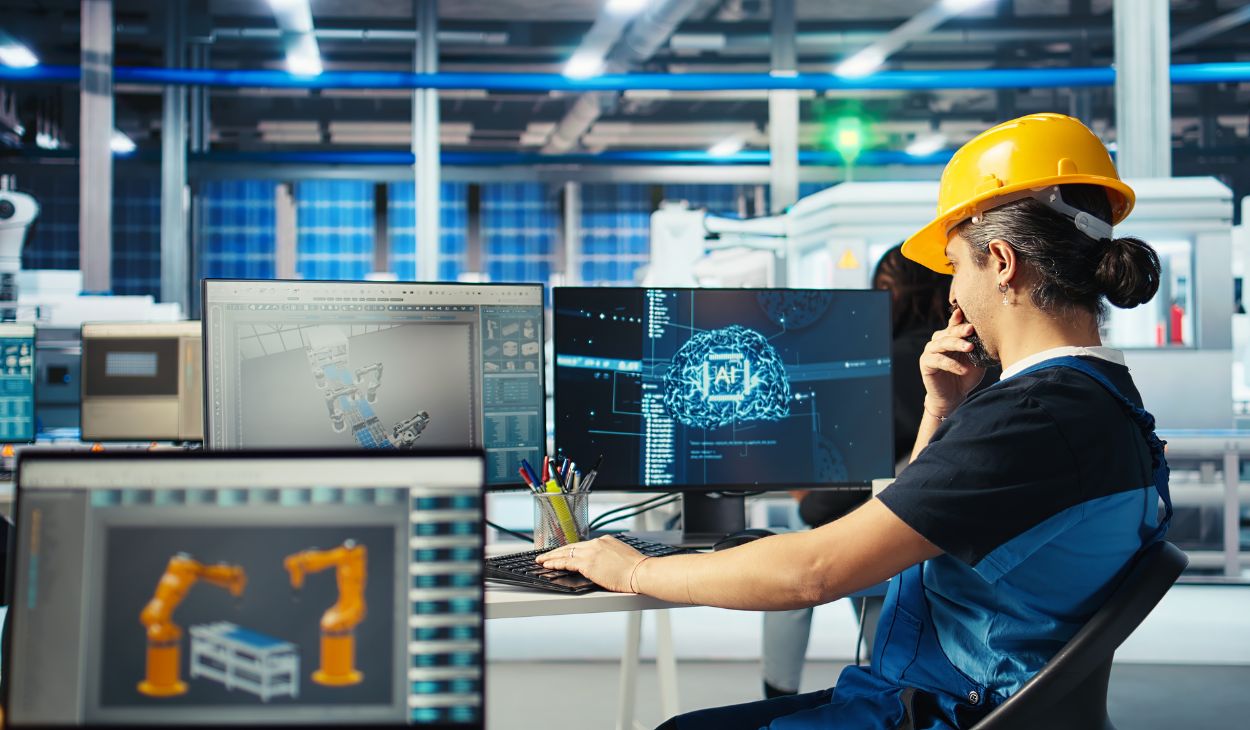
Manufacturing has entered a new era where speed, precision, and efficiency are essential for success. Businesses are constantly looking for ways to improve production while reducing costs and waste. Repmold has emerged as an innovative manufacturing solution that combines digital technologies, automation, and intelligent design processes. By connecting virtual planning with real-world production, it helps companies create high-quality products faster and more effectively.
What Is Repmold?
Repmold is a modern manufacturing approach that integrates digital design, automation, simulation, and advanced production techniques into a unified workflow. It allows engineers to create, test, and optimize designs before production begins, reducing the need for costly revisions. This technology helps manufacturers improve consistency, increase efficiency, and maintain high quality standards throughout the entire production cycle.
The Evolution of Manufacturing and the Rise of Repmold
Manufacturing has evolved from manual labor and mechanical systems to highly automated and connected production environments. The rise of Industry 4.0 introduced technologies such as artificial intelligence, cloud computing, and real-time data analysis into factories. Repmold fits perfectly within this transformation by providing manufacturers with a flexible and intelligent system that supports modern production demands while improving overall operational performance.
How Artificial Intelligence Strengthens Repmold
Artificial intelligence plays an important role in enhancing Repmold by analyzing complex design data and identifying potential issues before production starts. AI-powered systems can evaluate multiple design possibilities, recommend improvements, and predict performance outcomes with impressive accuracy. This reduces development time, improves product quality, and helps manufacturers make better decisions throughout the production process.
Digital Simulation and Testing Advantages
One of the most valuable features of Repmold is its ability to perform digital simulations before physical manufacturing begins. Engineers can test product performance, evaluate durability, and identify design weaknesses in a virtual environment. This approach reduces costly mistakes, minimizes production delays, and ensures that products meet quality expectations before entering the manufacturing stage.
Precision Manufacturing with Repmold
Precision is a critical requirement in industries where even small errors can affect performance and safety. Repmold supports highly accurate manufacturing by combining advanced design tools with controlled production systems. Once a design is optimized, it can be replicated consistently across multiple production cycles, ensuring uniform quality and reducing the likelihood of defects or rework.
Faster Product Development and Time-to-Market
In competitive industries, bringing products to market quickly can create a significant advantage. Repmold helps accelerate development by streamlining the entire workflow from design to production. Digital testing, rapid prototyping, and automated processes reduce delays and allow manufacturers to launch products faster while maintaining high standards of quality and reliability.
Workflow Optimization Through Automation
Automation is at the core of Repmold, enabling manufacturers to connect design, validation, and production into a seamless workflow. Automated systems reduce manual intervention, improve coordination between departments, and increase operational efficiency. This streamlined approach allows organizations to focus more on innovation and strategic growth rather than repetitive administrative tasks.
Sustainable Manufacturing Benefits
Sustainability has become a major focus for manufacturers seeking to reduce environmental impact while maintaining profitability. Repmold supports sustainable production by optimizing material usage, minimizing waste, and reducing the need for excessive physical testing. These improvements help organizations meet environmental goals while lowering operational costs and improving resource efficiency.
Material Efficiency and Waste Reduction
Traditional manufacturing processes often result in material waste due to design errors, repeated revisions, and production inefficiencies. Repmold addresses these challenges by using data-driven planning and advanced simulations to optimize designs before fabrication. As a result, manufacturers use materials more effectively, reduce scrap rates, and improve both environmental and financial performance.
Scalability from Prototype to Mass Production
A key advantage of Repmold is its ability to support projects at different production scales. Manufacturers can quickly develop and refine prototypes while maintaining the flexibility to transition into large-scale production when needed. This scalability allows businesses of all sizes to adapt to changing market demands without sacrificing product quality or operational efficiency.
Industry Applications of Repmold
The versatility of Repmold allows it to serve numerous industries.
Automotive Manufacturing: Automotive manufacturers use Repmold to improve component development, reduce production time, and enhance manufacturing precision. Faster design iterations and improved tooling processes help companies bring vehicles and parts to market more efficiently while maintaining strict quality standards.
Aerospace and Defense: The aerospace and defense sectors require highly reliable and precise components that meet strict regulatory requirements. Repmold supports these needs by enabling accurate design validation, consistent production quality, and efficient manufacturing processes that help reduce development risks and costs.
Medical and Healthcare Production: Healthcare manufacturers depend on precision and consistency when producing medical devices, surgical instruments, and diagnostic equipment. Repmold provides advanced design and manufacturing capabilities that help ensure product accuracy, safety, and compliance with industry standards.
Consumer Electronics: Consumer electronics companies operate in fast-moving markets where innovation and rapid product development are essential. Repmold supports quick prototyping, efficient manufacturing, and scalable production, allowing businesses to respond rapidly to changing customer demands and technological advancements.
Construction and Engineering: Construction and engineering firms increasingly rely on advanced manufacturing solutions to support modern building techniques and infrastructure projects. Repmold contributes to greater design flexibility, improved component accuracy, and more efficient production processes that support complex construction requirements.
Challenges of Repmold Implementation
Despite its many benefits, implementing Repmold can present challenges for some organizations. Initial investments in software, equipment, and digital infrastructure may be substantial, particularly for smaller manufacturers. Additionally, workforce training and system integration require careful planning to ensure successful adoption and long-term operational effectiveness.
Economic Impact of Repmold
Repmold contributes to economic growth by improving manufacturing productivity and supporting innovation across multiple industries. Faster development cycles, lower production costs, and enhanced operational efficiency allow businesses to remain competitive in global markets. These advantages create opportunities for expansion, job creation, and continued investment in advanced technologies.
Repmold and the Future of Industry 4.0
As Industry 4.0 continues to evolve, Repmold is expected to play an increasingly important role in digital manufacturing environments. Future advancements may include more sophisticated artificial intelligence systems, predictive maintenance technologies, and fully connected production networks. These innovations will further enhance manufacturing efficiency, flexibility, and resilience in an increasingly digital world.
Why Repmold Creates Competitive Advantage
Companies that adopt Repmold gain advantages through improved quality, faster production cycles, reduced waste, and greater operational flexibility. These benefits help manufacturers respond more effectively to market changes while meeting customer expectations. By embracing modern manufacturing technologies, businesses can strengthen their competitive position and prepare for future industry developments.
Conclusion
Repmold represents a significant advancement in modern manufacturing by combining digital design, automation, artificial intelligence, and precision engineering into a single integrated solution. Its ability to improve efficiency, reduce waste, accelerate product development, and support scalability makes it valuable across a wide range of industries. As manufacturing continues to evolve, Repmold provides a practical and forward-thinking approach that helps organizations remain competitive in a rapidly changing marketplace.
FAQs about repmold
What Is Repmold?
Repmold is a digital manufacturing approach that combines design, automation, simulation, and production technologies to improve efficiency and accuracy.
How Does Repmold Improve Manufacturing?
It improves manufacturing by reducing development time, enhancing precision, minimizing waste, and increasing production consistency.
Is Repmold Suitable for Small Manufacturers?
Yes, Repmold can support both small-scale prototyping and large-scale production operations.
Does Repmold Support Sustainability?
Yes, it promotes sustainability through optimized material usage, reduced waste, and efficient production processes.
Is Repmold Part of Industry 4.0?
Yes, Repmold aligns with Industry 4.0 by integrating automation, artificial intelligence, and connected manufacturing systems.