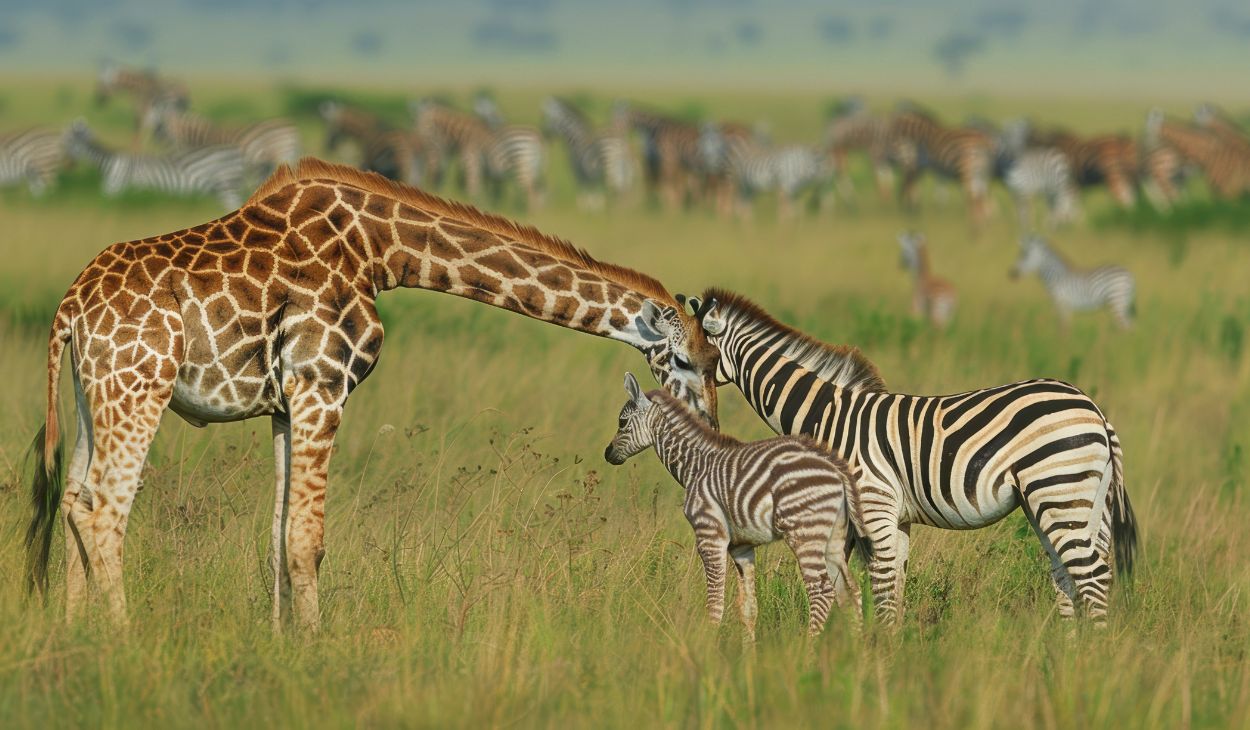
The way people view zoos has changed significantly in recent years, and visitors now expect more than simply watching animals behind fences. Zooskooñ represents a modern approach where animal welfare, wildlife conservation, environmental sustainability, and public education are the main priorities. Instead of focusing only on entertainment, this concept encourages ethical management, scientific research, and responsible conservation practices. By combining innovation with ecological responsibility, Zooskooñ aims to create a healthier future for both wildlife and people.
The Evolution of Modern Zoos
Traditional zoos were once designed mainly for public entertainment, often displaying exotic animals in small enclosures with limited concern for their natural behavior. As scientific knowledge about animal welfare and conservation grew, many zoos began transforming into centers for research, breeding programs, and habitat protection. Zooskooñ continues this evolution by promoting natural ecosystems, ethical standards, and long-term biodiversity preservation. This shift reflects a broader understanding that zoos should contribute to protecting wildlife rather than simply exhibiting it.
What Is Zooskooñ?
Zooskooñ is a modern zoological philosophy that places animal welfare and environmental responsibility at the center of every decision. The model supports wildlife conservation, ecosystem restoration, public engagement, and sustainable operations while respecting the physical and psychological needs of animals. It encourages rehabilitation programs, conservation research, and eco-friendly infrastructure that mimics real-world habitats. By balancing human learning with wildlife protection, Zooskooñ creates a more responsible relationship between people and nature.
Key Principles of Zooskooñ
The foundation of Zooskooñ is built on ethical care, sustainability, scientific research, and community involvement, working together as one system. Every aspect of the facility is designed to reduce environmental impact while improving the quality of life for animals. Education programs help visitors understand biodiversity and conservation challenges in a meaningful way. These principles ensure that conservation efforts remain practical, transparent, and beneficial for future generations.
Ethical Animal Welfare
Animal welfare is one of the strongest priorities of Zooskooñ because healthy animals are essential for successful conservation. Naturalistic habitats with forests, grasslands, wetlands, and water features allow species to express normal behaviors such as climbing, grazing, swimming, and nesting. Behavioral enrichment activities provide mental stimulation and reduce stress that can occur in artificial environments. Professional veterinary care, nutritional planning, and quiet retreat areas further support the long-term physical and psychological well-being of every animal.
Sustainable Habitat Design
Sustainability is integrated into the design of every Zooskooñ facility to minimize ecological impact while creating realistic habitats for wildlife. Renewable energy systems, eco-friendly construction materials, energy-efficient lighting, and smart resource management help reduce dependence on fossil fuels. Rainwater harvesting, water recycling, composting, and waste reduction programs protect natural resources and lower pollution levels. Native vegetation, wetlands, rock formations, and natural water systems also improve animal fitness and support healthier ecosystems.
Wildlife Conservation and Biodiversity Initiatives
The primary mission of Zooskooñ is to protect wildlife before species disappear from the planet. Conservation programs focus on endangered species recovery, habitat restoration, rehabilitation, and scientific breeding supported by experts in genetics, nutrition, and behavioral science. Partnerships with governments, universities, NGOs, and international conservation organizations strengthen research and policy efforts. By combining science with practical field conservation, Zooskooñ contributes to preserving biodiversity on a global scale.
Human Interaction, Education & Community Programs
Education is treated as a powerful conservation tool because informed visitors are more likely to support environmental protection. Guided tours, wildlife workshops, school partnerships, and interactive exhibitions help people understand ecosystems and the challenges facing endangered species. Digital tools such as virtual reality, augmented reality, and mobile applications make learning engaging without disturbing animals. Volunteer opportunities, citizen-science projects, and community outreach programs encourage people to become active participants in conservation efforts.
Collaborations with Global Conservation Organizations
Large-scale conservation cannot succeed in isolation, so Zooskooñ works closely with organizations such as WWF, IUCN, and CITES. These partnerships improve wildlife research, habitat protection, biodiversity monitoring, and the sharing of scientific knowledge across countries. Collaboration with universities, government agencies, and local communities also strengthens conservation planning and environmental education. Working together allows experts to develop more effective strategies for protecting species and restoring ecosystems.
Technology Driving Zooskooñ
Modern technology helps conservation become smarter and more responsive when it is used to support both animals and researchers. Artificial intelligence can assist with health monitoring, behavioral analysis, feeding optimization, and population management. Smart sensors continuously measure air quality, water quality, humidity, light exposure, and animal activity so staff can react quickly to changing conditions. Virtual reality exhibits, interactive displays, and advanced veterinary tools also improve education, research, and wildlife management.
Sustainable Tourism & Visitor Management
Responsible tourism is essential for ensuring that conservation benefits do not come at the expense of animal welfare. To lessen stress on animals, Zooskooñ employs visitation limitations, guided walkways, timed entrance systems, and quiet observation areas. Recycling stations, refillable water points, sustainable food services, and green transportation options demonstrate practical environmental responsibility. These measures create a better visitor experience while supporting conservation funding and protecting sensitive habitats.
Climate Change & Environmental Responsibility
Climate change affects every ecosystem on Earth, making environmental responsibility a critical part of modern conservation. Zooskooñ supports tree planting, wetland restoration, river rehabilitation, native vegetation projects, and the removal of invasive species to improve ecosystem resilience. Visitors also learn about energy conservation, waste reduction, sustainable agriculture, and climate-conscious lifestyles. By connecting global environmental issues with everyday actions, the model encourages broader public participation in conservation.
Role of Local Communities
Healthy ecosystems depend on the support of nearby communities, so Zooskooñ actively involves local people in conservation activities. Eco-tourism, employment opportunities, research partnerships, educational programs, tree planting campaigns, and river cleanup projects help communities benefit directly from environmental protection. Collaboration with schools and community organizations increases awareness about biodiversity and sustainable living. This approach strengthens both local economies and long-term conservation outcomes.
Measuring Success
Unlike traditional zoos that often measure success mainly through attendance numbers, Zooskooñ focuses on meaningful conservation indicators. Improvements in animal health, successful species recovery, habitat restoration, educational participation, scientific publications, volunteer engagement, and reduced environmental impact provide a clearer picture of real progress. These metrics help managers evaluate what is working and identify areas that need improvement. Measuring outcomes in this way keeps the organization focused on conservation rather than entertainment alone.
Ethical Challenges & Criticism
Even the most progressive conservation model faces questions about animal captivity, financial sustainability, infrastructure costs, and the balance between public access and wildlife welfare. Zooskooñ addresses these concerns by providing larger natural habitats, behavioral enrichment, transparent management practices, and decisions based on scientific evidence. Continuous evaluation helps ensure that conservation goals remain aligned with ethical responsibilities. Acknowledging criticism openly is important for building public trust and improving future practices.
Future Trends Shaping Zooskooñ
The future of Zooskooñ will likely be influenced by advances in biotechnology, artificial intelligence, predictive analytics, automated wildlife monitoring, and digital conservation experiences. Improved scientific collaboration and data-driven decision-making can help conservation teams respond more effectively to disease outbreaks, habitat loss, and climate-related threats. Sustainable infrastructure and innovative education tools will also become increasingly important. These trends suggest that conservation facilities will continue evolving into high-tech centers for wildlife protection and public learning.
Practical Applications of Zooskooñ
The principles behind Zooskooñ can be applied far beyond traditional zoos and are already useful for wildlife rehabilitation centers, conservation parks, schools, and community environmental projects. Habitat restoration, renewable energy adoption, native tree planting, river cleanup campaigns, wildlife monitoring, and environmental science education all reflect the same conservation philosophy. Individuals can contribute through simple actions such as reducing waste, conserving water and energy, respecting wildlife, and sharing accurate environmental information. This shows that biodiversity protection is something everyone can support in daily life.
Conclusion
Zooskooñ represents a modern conservation philosophy where animal welfare, wildlife protection, sustainability, scientific research, education, and community involvement work together as a connected system. Rather than treating animals as attractions, it focuses on creating healthy ecosystems, supporting species recovery, and inspiring people to care about the natural world. By combining ethical management with innovation and environmental responsibility, Zooskooñ demonstrates how conservation facilities can contribute positively to both wildlife and society. Its greatest strength is the idea that people and nature can thrive together when conservation becomes a shared responsibility.
FAQs about zooskooñ
What is Zooskooñ?
Zooskooñ is a modern zoo concept focused on ethical animal care, wildlife conservation, sustainability, education, and scientific research.
How is Zooskooñ different from traditional zoos?
It prioritizes natural habitats, animal welfare, conservation programs, and environmental responsibility instead of entertainment-first displays.
Why is sustainability important in Zooskooñ?
Sustainability reduces environmental impact by using renewable energy, recycling systems, water conservation, and eco-friendly infrastructure.
How does Zooskooñ support wildlife conservation?
It supports endangered species recovery through habitat restoration, rehabilitation programs, scientific research, and conservation partnerships.
What role does technology play in Zooskooñ?
Technology improves animal care, environmental monitoring, education, and conservation management through AI, sensors, and digital tools.